
Sierra Greenhouse Insights
Tempered vs Laminated Glass for a Greenhouse
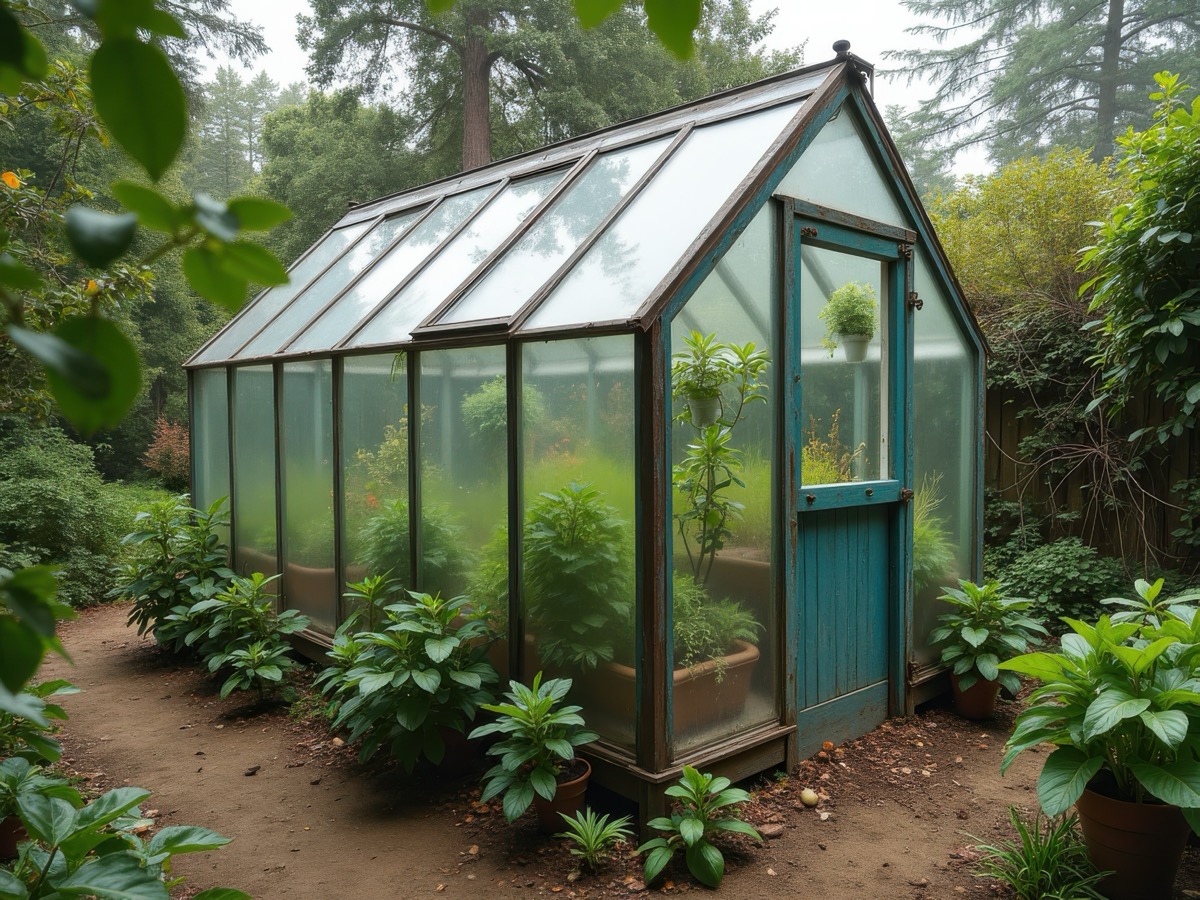
Tempered glass is the usual choice when higher strength and a small-particle safety break pattern are priorities. Laminated glass is the stronger candidate when broken fragments should remain attached to an interlayer instead of immediately leaving the opening. For a greenhouse roof, door, or occupied path, the final choice must also satisfy local code, frame design, wind and snow loads, pane support, and the glazing manufacturer's specification.
This guide explains safety behavior; it does not approve a glass type or thickness for a specific structure.
Quick navigation: Comparison | Tempered | Laminated | Greenhouse zones | Specification checklist | Sources
Key Takeaways
- Both tempered and laminated products can be safety glazing, but they manage breakage differently.
- Tempered glass breaks into many smaller pieces and can vacate the opening.
- Laminated glass uses an interlayer to retain fragments, but the assembly and framing still need engineering.
- “Safety glass” does not mean unbreakable glass or automatic approval for overhead use.
- Specify the exact pane construction, thickness, edge treatment, supports, loads, and replacement method.
Tempered vs laminated glass comparison
| Decision factor | Fully tempered glass | Laminated glass | | ------------------- | ------------------------------------------------------------------------- | --------------------------------------------------------------------------- | | Construction | Heat-treated single glass ply or part of an assembly | Two or more plies bonded with an interlayer | | Breakage behavior | Breaks into many smaller pieces | Fragments tend to adhere to the interlayer | | Opening retention | May leave the glazing opening after breakage | Can remain in place longer when properly supported | | Strength | Heat treatment increases resistance to thermal stress and mechanical load | Performance depends on glass plies, heat treatment, interlayer, and support | | Fabrication | Cutting and edge work occur before tempering | Construction is ordered as a specified laminate | | Greenhouse question | Is fragment size the main safety goal? | Is post-breakage retention the main safety goal? |
Vitro Architectural Glass's safety-glass FAQ explains that tempered glass reduces injury through its break pattern, while laminated glass uses adhesion to an internal plastic layer. It identifies ANSI Z97.1 and CPSC 16 CFR Part 1201 as U.S. safety-glazing test standards.
When tempered glass fits
Fully tempered glass is stronger than annealed glass of the same nominal thickness and is used where safety glass or added resistance to thermal and wind stress is needed. Its characteristic break pattern reduces the risk from large sharp shards.
The tradeoff is retention. Vitro's heat-treated glass guidance warns that tempered glass is more likely to fall from the glazing system immediately after breakage. In a greenhouse, that can leave an open roof or wall during a storm or freeze and can drop fragments onto crops, benches, or paths.
Tempered glass may fit vertical walls and other locations where the approved frame retains the pane before breakage and rapid replacement is practical. Exact suitability remains a code and engineering question.
When laminated glass fits
Laminated glass bonds glass plies to an interlayer. If a ply breaks, the interlayer can hold fragments and help the assembly remain in the opening. This post-breakage behavior can be valuable above occupied areas or valuable crops.
Laminated is not a single specification. The number, thickness, and heat treatment of the plies; interlayer type and thickness; pane size; edge exposure; sealants; supports; and design loads all affect performance. Moisture-sensitive edges and long-term compatibility must be detailed for the greenhouse environment.
Use laminated glass only as part of a complete glazing specification from the kit supplier, glazing professional, engineer, or authority having jurisdiction.
Apply the choice by greenhouse zone
Roof and overhead glazing
Ask what happens after breakage. A pane above a path or bench needs a deliberate fragment-retention and temporary-weatherproofing strategy. Do not substitute a different glass construction into a kit roof without approval from the manufacturer or engineer.
Doors and areas near walking surfaces
These may be hazardous locations under safety-glazing rules. Verify the local requirement and product certification rather than relying on a seller's generic “toughened” label.
Sidewalls away from traffic
The risk profile may be different, but wind, mower or tool impact, edge protection, and replacement access still matter.
Hybrid glazing
Some greenhouse designs use glass walls with polycarbonate roof panels. The polycarbonate vs glass greenhouse guide explains the broader insulation, light, weight, and maintenance tradeoffs. A hybrid system must account for different expansion, fastening, drainage, and support details.
Glass specification checklist
Before ordering, document:
- pane location: roof, wall, door, or partition;
- whether people regularly stand or walk below or beside it;
- local wind, snow, and impact requirements;
- required safety-glazing standard and permanent marking;
- glass construction, thickness, heat treatment, and interlayer;
- maximum pane size and required edge support;
- compatible gaskets, setting blocks, sealants, and clips;
- drainage and laminated-edge protection;
- access and safe process for replacing a broken pane;
- temporary crop and weather protection after breakage.
If those details are not available, compare a manufacturer-engineered greenhouse kit or an impact-resistant polycarbonate system rather than improvising an overhead glass assembly.
Frequently asked questions
Is laminated glass stronger than tempered glass?
That question is incomplete. Tempered strength and laminated post-breakage retention solve different problems. A laminate may include annealed, heat-strengthened, or tempered plies, and its structural capacity depends on the complete assembly.
Can tempered glass be cut to fit an old greenhouse?
Tempered glass is fabricated to final size before heat treatment. Do not cut or drill it after tempering. Measure the frame and order the finished pane with the edge work and safety marking required by the supplier.
Sources and methodology
- Vitro Architectural Glass: Safety glass FAQ
- Vitro Architectural Glass: Heat-treated glass processes
- U.S. Consumer Product Safety Commission: 16 CFR Part 1201 safety standard for architectural glazing
This comparison uses primary manufacturer and U.S. regulatory references for breakage behavior and safety-glazing context. A qualified professional must connect those principles to the exact greenhouse, loads, framing, and local code.