
Sierra Greenhouse Insights
Polycarbonate vs Glass Greenhouse: Which Glazing Is Better?
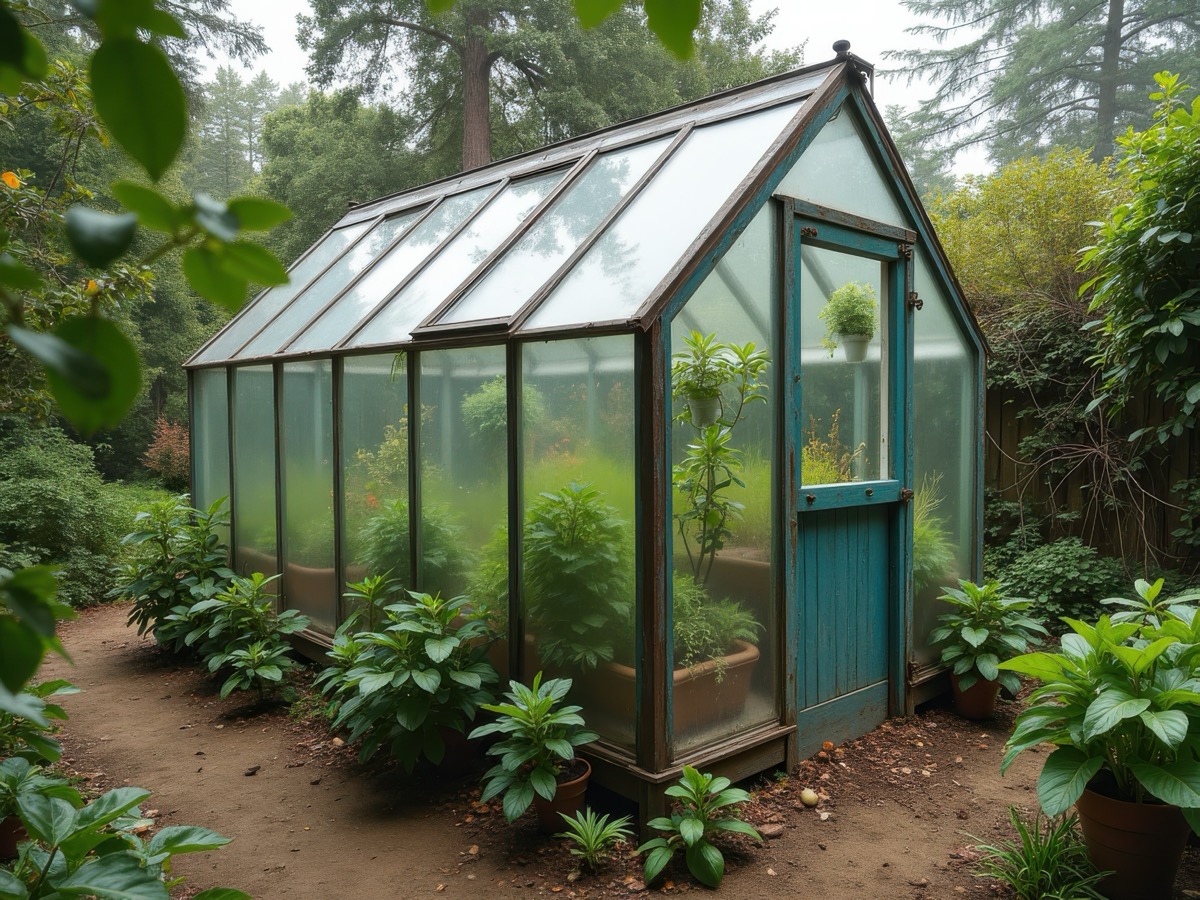
Choose multiwall polycarbonate when insulation, lower structural weight, and impact resistance matter most. Choose glass when durable clarity, scratch resistance, and traditional appearance justify a heavier frame and careful breakage planning. Neither material is universally better; the correct choice depends on the exact panel or pane, climate loads, crop light needs, and maintenance plan.
This comparison covers rigid greenhouse glazing. It does not compare polyethylene film or provide engineering approval for a frame, foundation, wind load, or snow load.
Quick navigation: Comparison table | Light | Insulation | Safety | Installation | Decision | Sources
Polycarbonate vs glass at a glance
| Decision factor | Multiwall polycarbonate | Glass | | --------------- | ------------------------------------------------------------------------ | ------------------------------------------------------------------------------ | | Insulation | Internal cells reduce heat transfer; verify the exact U-value | Single glass insulates less; insulated glass assemblies differ | | Light | Clear or diffusing options with product-specific transmission | High clarity; transmission varies by glass type and coatings | | Weight | Lighter than glass for many comparable applications | Requires a frame and foundation designed for the glass load | | Impact behavior | High impact resistance, but it can scratch | Resists scratching but can break; safety-glass behavior varies | | Weathering | Needs outward-facing UV protection and compatible cleaning | Does not yellow like plastic but seals, clips, and panes still need inspection | | Installation | Requires expansion clearance, correct rib direction, and channel sealing | Requires glazing support, clips or bars, and safe handling | | Best fit | Hobby greenhouses in hail, cold, or weight-sensitive situations | Permanent showpiece structures and applications prioritizing clarity |
Light transmission and diffusion
Do not compare “glass” with “polycarbonate” as single specifications. A clear solid sheet, corrugated sheet, twin-wall panel, and multiwall panel can all transmit and diffuse light differently. Tint, surface texture, condensation, dirt, roof angle, and framing shadows also affect light reaching the crop.
Palram's SUNLITE technical product information describes clear multiwall options designed to balance light transmission with thermal insulation. Its published product range shows that transmission changes with panel structure and thickness. SABIC's greenhouse material guidance likewise treats transmission, diffusion, condensation control, UV protection, and insulation as separate design variables.
Choose clear glazing when maximum direct light is the binding constraint. Consider diffusing glazing when more even canopy light and reduced hot spots are more useful than the highest possible direct transmission.
Insulation and condensation
Multiwall polycarbonate creates enclosed channels that slow heat transfer, so it generally outperforms a single rigid layer for insulation. The performance is not captured by thickness alone: wall count, internal geometry, coatings, joints, framing, and air leakage all matter.
Compare the U-value listed for the exact product. Lower U-values indicate less heat transfer. Do not convert a marketing category into a promised heating-cost percentage; actual energy use depends on greenhouse area, air sealing, inside and outside temperature, wind, ventilation, and heater efficiency.
Condensation-control surfaces can help droplets form a film rather than drip, but they must be installed on the correct side. Review the panel manual before cutting or mounting.
Impact, breakage, and safety
Polycarbonate is selected for high impact resistance, which can be valuable in hail-prone locations and above occupied growing space. It is still possible to scratch, puncture, or improperly fasten it.
Glass selection requires more than asking whether a pane is “strong.” Vitro Architectural Glass explains that tempered glass breaks into many smaller pieces, while laminated glass holds broken pieces to an interlayer. Its heat-treated glass guidance notes that tempered glass can leave the opening after breakage, while laminated glass may be preferable when retention matters.
Local building codes determine where safety glazing is required. Have the greenhouse supplier or a qualified professional specify the glazing for doors, overhead areas, occupied paths, wind, and snow conditions.
Installation and maintenance
For multiwall polycarbonate:
- Install the UV-protected face outward.
- Run internal ribs in the direction required for drainage.
- Leave the manufacturer's expansion clearance.
- Use compatible gaskets and sealants.
- Seal upper channels and provide the specified drainage or venting at lower channels.
- Clean with approved non-abrasive products.
The SABIC LEXAN THERMOCLEAR technical manual provides product-specific glazing, expansion, sealing, and cleaning instructions.
For glass, inspect glazing bars, clips, seals, and cracked panes. Plan how a damaged overhead or wall pane can be isolated and replaced without exposing plants or people.
Which material should you choose?
Choose multiwall polycarbonate if most of these are true:
- winter heat retention matters;
- hail or accidental impact is a concern;
- the frame must remain relatively light;
- diffused light is desirable;
- you can follow product-specific channel and expansion details.
Choose glass if most of these are true:
- long-term optical clarity and scratch resistance are priorities;
- the frame and foundation are engineered for the load;
- broken-pane replacement is practical;
- local safety-glazing requirements are addressed;
- the traditional appearance justifies higher installation complexity.
A hybrid assembly can use different materials in roof and wall zones, but only when the frame, fasteners, drainage, and thermal expansion details are designed for that combination.
Use the greenhouse panel hub for the broader material decision and the surface-area calculator to estimate coverage before ordering.
Frequently asked questions
Is twin-wall polycarbonate always the best thickness?
No. Panel thickness and wall geometry should be selected from the manufacturer's load, insulation, bend-radius, and support-spacing tables. A thicker product is not automatically compatible with an existing frame or cap system.
Should I replace broken greenhouse glass with polycarbonate?
It can be a practical retrofit if the frame accepts the panel thickness and expansion requirements. Confirm how the new panel will be retained and sealed, and whether mixing materials creates uneven support or drainage.
Sources and methodology
- Palram: SUNLITE twin-wall and multiwall polycarbonate sheet
- SABIC: Greenhouse material performance considerations
- SABIC: LEXAN THERMOCLEAR technical manual
- Vitro Architectural Glass: Safety glass FAQ
- Vitro Architectural Glass: Heat-treated glass processes
This is a product-category comparison based on primary technical guidance, not a laboratory test of every available panel or pane. Check the current data sheet and local code for the exact product and installation.