
Sierra Greenhouse Insights
Best Vegetables for Greenhouse Growing by Season
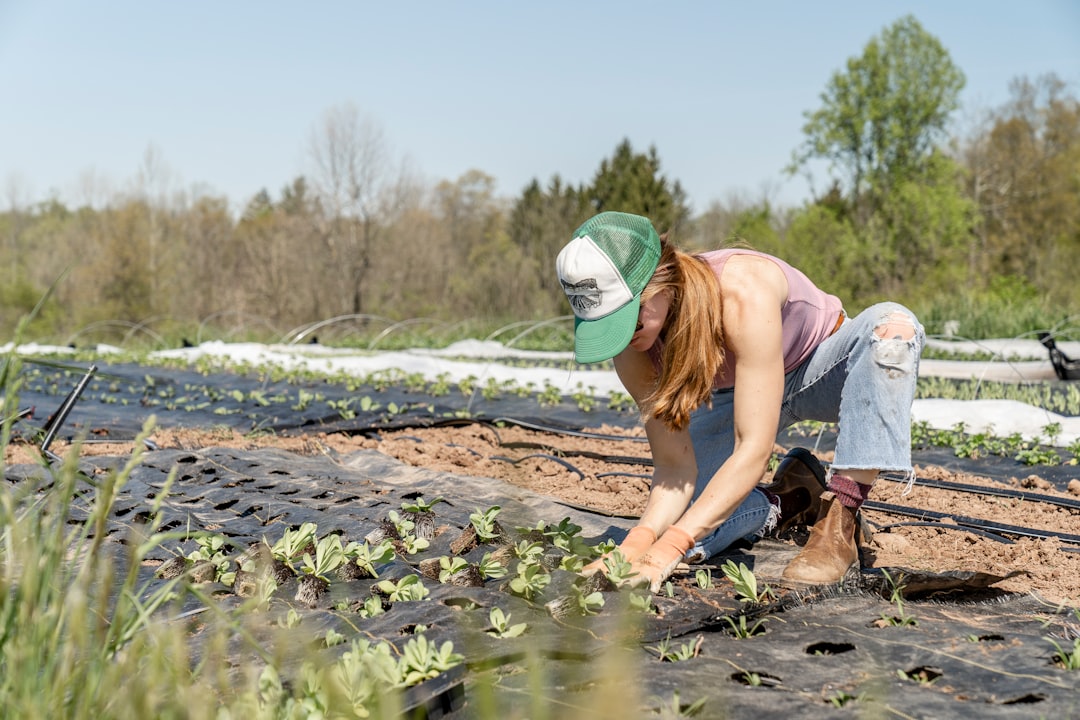
The best greenhouse vegetables are cool-tolerant leafy greens and roots for cooler periods, then tomatoes, cucumbers, and peppers when heat and light are sufficient. There is no single best crop for every greenhouse: choose by minimum temperature, available light, vertical space, ventilation, and whether the goal is quick harvests or a long fruiting season.
This guide is for home and small-market growers planning soil, container, or simple hydroponic production. It does not provide a guaranteed yield or profit forecast; those depend on cultivar, climate, inputs, disease pressure, and selling price.
Quick navigation: Decision table | Cool-season crops | Warm-season crops | Small spaces | Crop plan | Sources
Key Takeaways
- Start with the conditions the greenhouse can reliably maintain, not a crop wish list.
- Use leafy greens, herbs, and radishes for quick rotations and limited vertical space.
- Reserve the brightest, tallest area for trellised tomatoes and cucumbers.
- Treat winter as a light-management problem as well as a temperature problem.
- Record sowing date, transplant date, first harvest, last harvest, and losses so the next crop plan uses your own evidence.
Greenhouse crop decision table
| Growing condition or goal | Strong candidates | Main constraint to check | | ------------------------------------ | --------------------------------------------------------------- | -------------------------------------------------------------- | | Cool greenhouse or shoulder season | Spinach, kale, leaf lettuce, Asian greens, radishes | Cold tolerance varies by cultivar; growth slows as light falls | | Warm, bright summer greenhouse | Tomatoes, cucumbers, peppers | Ventilation, irrigation, trellising, and pollination | | Fast harvest and frequent succession | Radishes, baby leaf lettuce, arugula, herbs | Consistent sowing schedule and sanitation | | Limited floor space | Trellised cucumbers, indeterminate tomatoes, shelf-grown starts | Frame load, plant support, and shading of shorter crops | | Small hydroponic system | Leaf lettuce, basil, other leafy greens and herbs | Water quality, nutrients, oxygen, and temperature | | Beginner crop plan | Leaf lettuce, radishes, parsley, basil | Avoid planting more than can be monitored and harvested |
The University of Minnesota Extension crop-planning guide recommends evaluating frost tolerance, days to maturity, market or household demand, and the value of protected space. Its small-scale hydroponics guide identifies leafy greens and herbs as practical year-round hydroponic crops, while tomatoes, cucumbers, and peppers need more summer heat and light.
Best crops for cool and unheated periods
1. Leaf lettuce and Asian greens
Leaf lettuce, bok choy, mizuna, tatsoi, and similar greens fit short rotations and do not require trellising. Harvest can be by whole head or repeated leaf cutting, depending on the cultivar. Use wide spacing and ventilation to reduce persistent leaf wetness.
2. Spinach and kale
Spinach and kale tolerate cooler conditions better than fruiting crops. They are useful in autumn, winter, and early spring, but cold tolerance is not the same as active winter growth. Short days and low solar intensity can slow production even when plants survive.
3. Radishes and other compact roots
Radishes use little vertical space and fit between longer rotations. Carrots and beets can also work, but their container or bed must be deep enough for the selected cultivar and remain evenly moist.
Utah State University Extension's season-extension guidance advises defining the crop goal, budget, and local climate before choosing protection. It also emphasizes ventilation because protected structures can overheat on sunny days even in cool weather.
Best crops for warm, bright periods
4. Indeterminate tomatoes
Indeterminate tomatoes use greenhouse height efficiently and can fruit over a long period. They also demand the most management: a strong support system, pruning plan, reliable watering, airflow, and a pollination strategy. Place them where they will not shade all shorter crops.
5. Greenhouse cucumbers
Trellised cucumbers turn vertical space into a compact fruiting wall. Select cultivars intended for protected cultivation when possible, because pollination requirements and disease resistance vary. Maintain airflow around the canopy and remove aging leaves according to the cultivar's training system.
6. Peppers
Sweet and hot peppers suit warm conditions but grow more slowly than leafy greens. Give them stable root-zone moisture and avoid crowding, which can reduce airflow. Compact cultivars fit smaller structures; tall cultivars may need support.
Best choices for a small greenhouse
For a mini greenhouse or an 8-by-6-foot structure, combine crops by height and harvest timing:
- Put one trellised crop on the side least likely to shade the rest of the greenhouse.
- Use lower benches for lettuce, herbs, radishes, and starts.
- Keep a clear path to vents, doors, irrigation controls, and every plant.
- Do not stack shelves so densely that lower tiers lack usable light or airflow.
See the mini and small greenhouse buying guide before choosing a footprint, and use the greenhouse layout guide to plan beds and access.
A simple crop-planning method
Create one row per crop and record:
- cultivar and seed source;
- sowing and transplant dates;
- minimum and maximum greenhouse temperature;
- bed, container, or channel location;
- first and final harvest date;
- harvest quantity and quality notes;
- pest, disease, or nutrient problems.
After one season, compare crops by usable harvest per occupied week, not by an internet price estimate. This produces a greenhouse-specific ranking that reflects your climate, setup, and goals.
Frequently asked questions
What vegetables grow best in a greenhouse?
Leaf lettuce, spinach, kale, Asian greens, radishes, tomatoes, cucumbers, and peppers are dependable categories when matched to the season. Cool-tolerant greens suit cooler periods; fruiting crops need more warmth, light, support, and airflow.
What should a beginner grow first?
Start with two or three quick, observable crops such as leaf lettuce, radishes, and basil. Add one trellised fruiting crop after the temperature, watering, and ventilation routine is reliable.
Can greenhouse growing be profitable?
It can be, but profitability cannot be inferred from crop type alone. Calculate seed or transplant cost, energy, substrate, nutrients, water, labor, losses, marketable harvest, and local selling price. For household growing, track produce actually consumed rather than assigning an inflated retail value to every harvest.
Sources and methodology
This guide synthesizes crop-selection and season-extension principles from:
- University of Minnesota Extension: Crop and field planning tools for vegetable farmers
- University of Minnesota Extension: Small-scale hydroponics
- Utah State University Extension: Extending the garden season
The crop ranking is a decision framework, not a controlled trial. Local extension recommendations and cultivar documentation should take precedence for planting dates and temperature limits.