
Sierra Greenhouse Insights
Growing Ginger In A Greenhouse: Start To Harvest
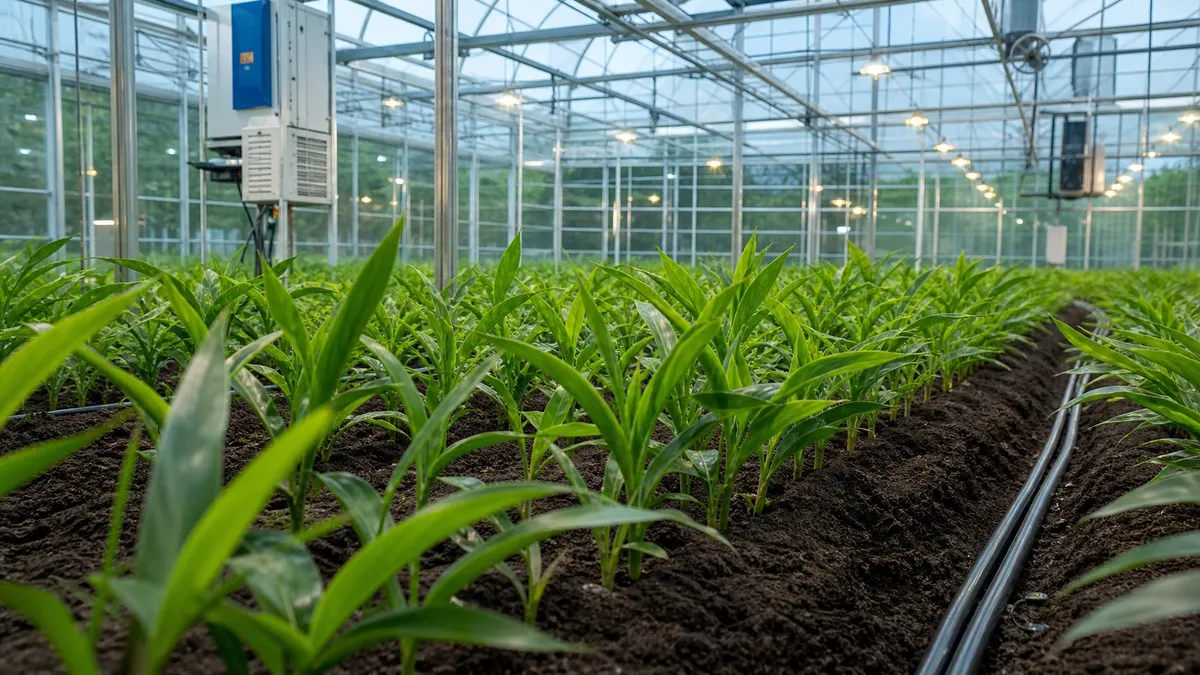
Ginger is a tropical plant that most folks only recognize from the grocery store. Surprisingly, you can grow it quite well inside a greenhouse.
By managing temperature, humidity, and light, you’ll get fresh, flavorful rhizomes of Zingiber officinale at home—even if your outdoor climate isn’t up for the challenge.
Greenhouse ginger gives you a reliable 8- to 10-month harvest cycle with way less risk of frost, rot, or pests than planting outside. Nailing the setup from the beginning makes all the difference: start with healthy rhizomes, use well-draining soil, and keep things warm and humid—but don’t drown your plants.
You can grow a handful of baby ginger for your kitchen or commit to a full crop of mature rhizomes to stash and replant. Either way, greenhouse ginger isn’t out of reach, even for beginners.
Patience is rewarded, though the steps are pretty straightforward.
Key Takeaways
- Ginger does best in greenhouse temps of 70–85°F with high humidity and filtered light, not harsh sun.
- Well-draining soil and containers with drainage holes are your top defense against rhizome rot.
- Harvest baby ginger in about 4–6 months, or let it mature for 8–10 months.
Is Ginger A Good Match for Your Greenhouse?
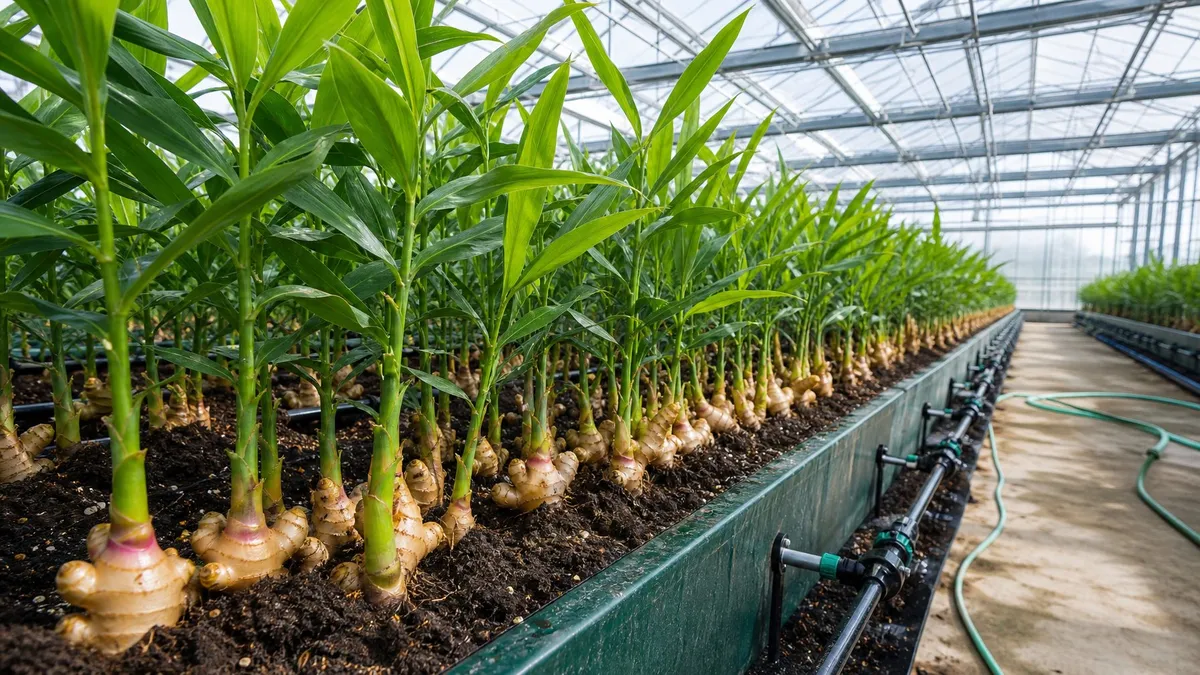
Ginger (Zingiber officinale) is a tropical, herbaceous perennial that craves heat, moisture, and plenty of space to spread its roots. If your greenhouse can provide those three things consistently, you're already halfway there.
What Makes Ginger Different From Other Greenhouse Crops
Unlike tomatoes or peppers that want blazing overhead sun, ginger is an understory plant. It evolved in the filtered light of tropical forests.
In a greenhouse, this means you can often grow ginger in the "lower tier" of your space—under benches or behind taller crops that provide some shade. It also has a much longer growing season than most annuals, needing nearly a full year to reach peak maturity.
When a Greenhouse Helps More Than Outdoor Beds
If you live in a temperate climate, outdoor ginger is a gamble. A late spring frost kills young shoots, and an early fall chill stops rhizome development right when it’s picking up steam.
Inside a greenhouse, you extend the shoulders of the season. You can start corms earlier and let them grow later into the year, which is crucial for getting those big, "hand-sized" rhizomes. It also protects the plants from wind, which can shred ginger's long, thin leaves.
Understanding the Life Cycle: From Sprout to Maturity
Ginger follows a predictable path:
- Dormancy: The rhizome rests (this is what you buy at the store).
- Sprouting: Small green "eyes" or buds swell and push up shoots.
- Active Growth: Tall, grass-like stalks reach 3–4 feet high.
- Rhizome Expansion: Below ground, the corm divides and swells.
- Senescence: Leaves yellow and die back, signaling the rhizomes are ready for harvest.
Getting Started: Rhizomes, Pots, and Soil
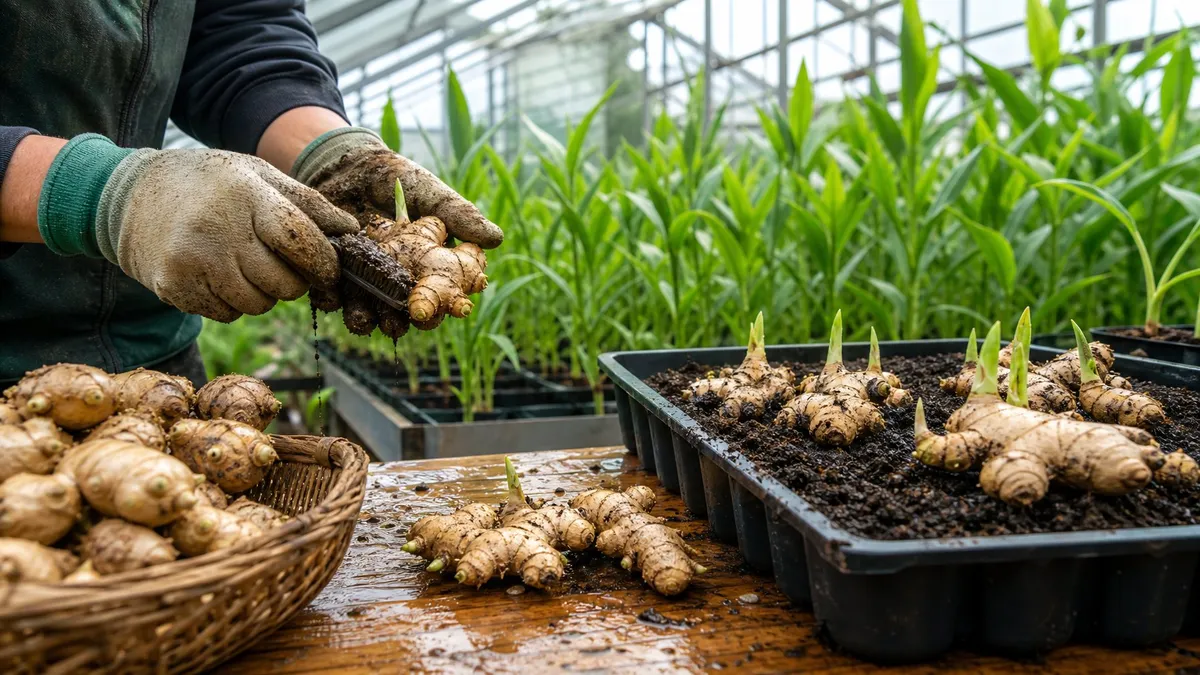
You don't start ginger from seed. You start it from a piece of the root itself, called a rhizome. Success depends on the quality of that starting material and the soil you put it in.
How to Select and Prepare Ginger Rhizomes
You can use organic ginger from the grocery store, but "seed ginger" from a nursery is better. It’s less likely to be treated with growth inhibitors that prevent sprouting.
Look for rhizomes that are plump, firm, and have several "eyes" (the little horn-like bumps at the tips). If the ginger is shriveled or dry, skip it.
Before planting, cut the rhizome into pieces about 1–2 inches long, making sure each piece has at least two eyes. Let the cut ends dry and "callous" over for 24–48 hours to prevent rot.
Best Containers and Bed Layouts
Ginger grows out, not just down. Use wide, shallow pots or trays—at least 12 inches wide and 10–12 inches deep.
If you're planting in ground beds, space rhizomes 12 inches apart in rows. If you're using a greenhouse bench, a long, shallow wooden tray works perfectly for a "carpet" of ginger.
The Perfect Soil Mix for Tropical Growth
Ginger is a heavy feeder and needs excellent drainage.
A solid mix:
- 40% high-quality potting soil
- 30% compost or well-rotted manure
- 20% perlite or coarse sand
- 10% coconut coir or peat moss
Aim for a slightly acidic pH between 6.0 and 6.5. The compost provides the steady nutrients ginger needs to build those dense rhizomes.
Planting and Seasonal Management
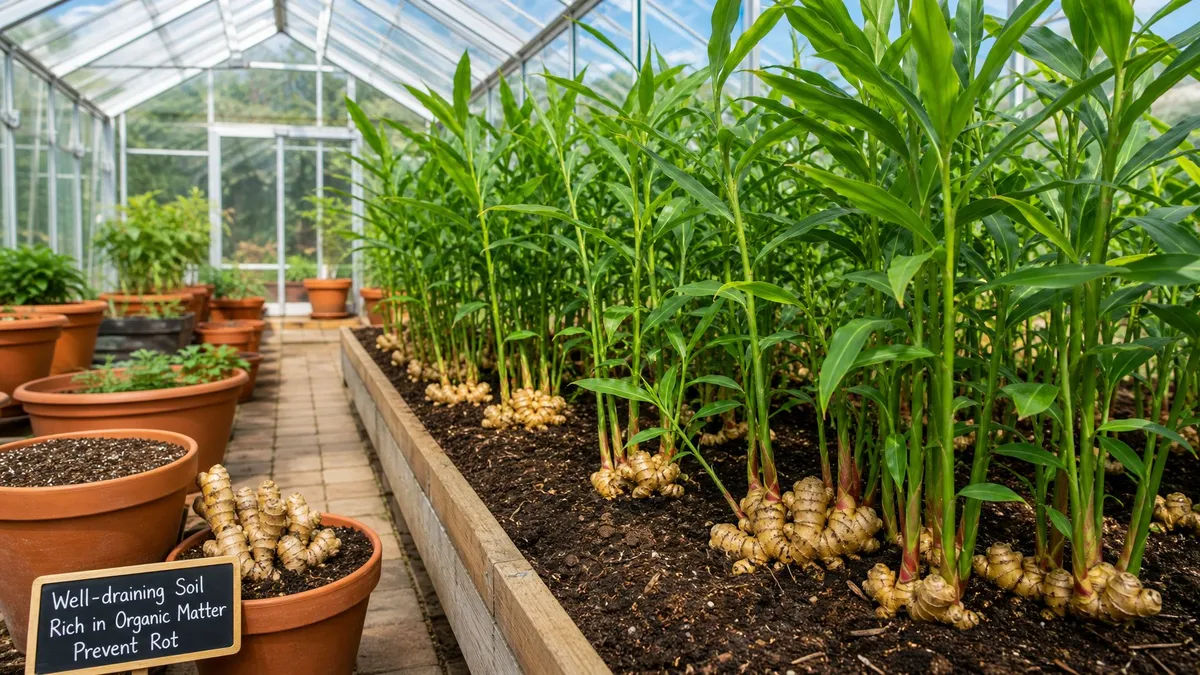
Timing your planting ensures your ginger gets the heat it needs during its peak growth phase.
When to Plant for Maximum Yield
In a greenhouse, plant your ginger in late winter or early spring (February–March). This gives the plant the longest possible growing window before the natural light fades in late autumn.
If your greenhouse isn't heated, wait until the soil temperature consistently stays above 60°F.
Planting Depth and Spacing Tips
Plant your rhizome pieces 2–4 inches deep, with the eyes pointing up. Don't bury them too deep, or they might rot before they reach the surface.
As the plant grows and the rhizomes start to pop out of the soil, "hill" them by adding another inch of compost or soil. This keeps the new growth tender and prevents it from turning green and bitter.
Managing Temperature and Humidity
This is where the greenhouse really shines.
- Temperature: Aim for 75–85°F during the day and no lower than 60°F at night.
- Humidity: Ginger loves it sticky. Keep humidity at 70% or higher. If your greenhouse is dry, use a mister or place trays of water nearby.
If temps drop below 55°F, growth stops. If they hit 95°F+, the leaves will scorch even in the shade.
Ongoing Care: Water, Feed, and Light
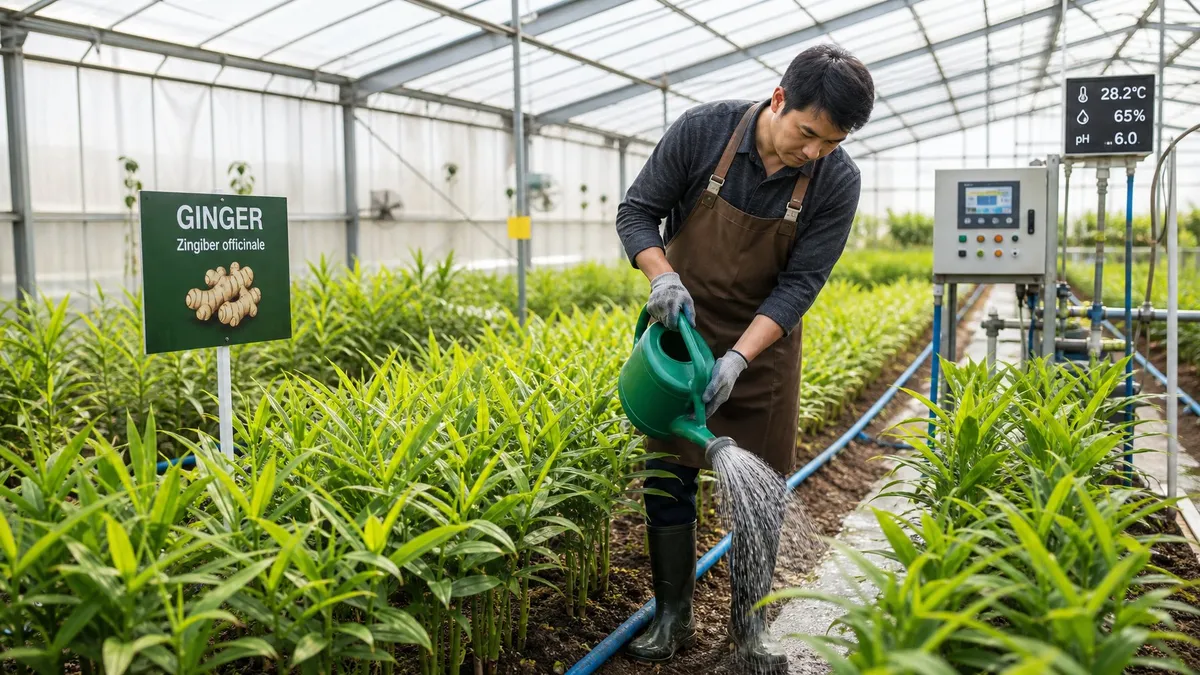
Ginger is a "thirsty but not soggy" plant. It needs constant moisture but will rot instantly in standing water.
Watering Schedules for Tropical Rhizomes
Keep the soil consistently moist—like a wrung-out sponge. During the heat of summer, you might need to water every day or two.
As the weather cools in fall and the leaves start to yellow, cut back on watering. This signals to the plant that it's time to go dormant and focus all its energy on the rhizomes.
Fertilizing for Big, Flavorful Harvests
Ginger is a "hungry" crop. Every 3–4 weeks during the growing season, feed it with a balanced organic liquid fertilizer.
Adding a top-dressing of compost mid-summer is also a great way to provide slow-release nutrients and help with hilling.
Controlling Light to Prevent Leaf Scorch
Too much direct sun will turn your ginger leaves brown and crispy. Use 30–50% shade cloth over your ginger section during the summer months.
If your greenhouse has polycarbonate panels, the natural diffusion might be enough, but keep an eye on the leaf tips for signs of stress.
Harvesting and Processing Your Ginger
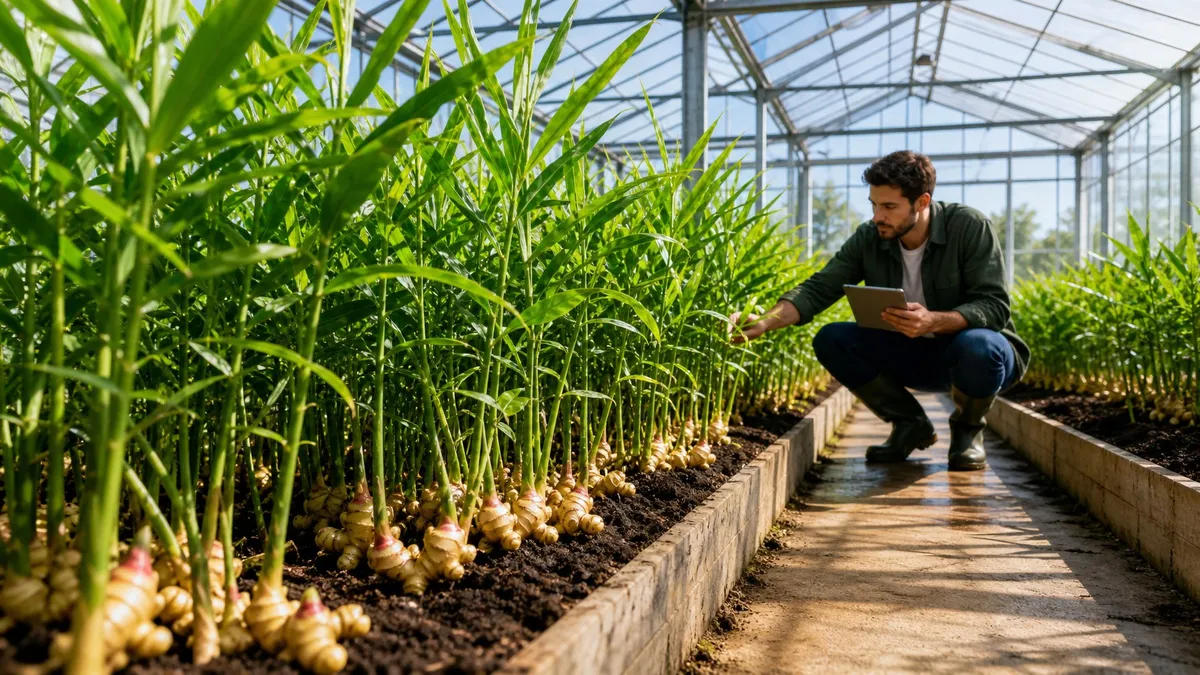
The best part of growing your own ginger is the variety of harvests you can get.
Harvesting "Baby" Ginger vs. Mature Ginger
- Baby Ginger (4–6 months): This is ginger harvested while the plant is still green. It has no tough skin, no fiber, and a mild, bright flavor. You won't find this in stores because it doesn't ship well.
- Mature Ginger (8–10 months): This is what you're used to. It has a thick, papery skin and a much stronger, spicier punch.
How to Harvest Without Damaging the Plant
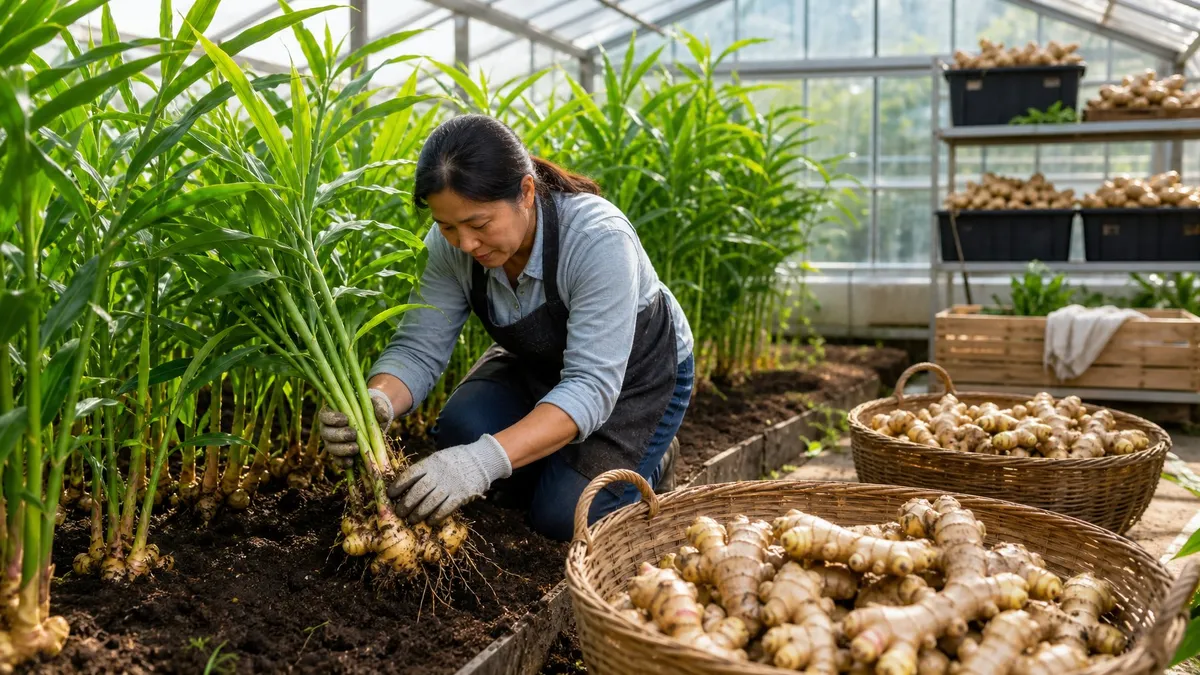
If you only need a little bit, you can "bandicoot" your ginger: gently dig around the edge of the plant, find a small piece of rhizome, and snip it off, leaving the rest of the plant to keep growing.
For a full harvest, wait until the leaves have completely died back. Carefully lift the entire root mass with a garden fork.
Curing and Storing for Year-Round Use
Wash the rhizomes thoroughly and trim off the stalks.
For mature ginger, let it "cure" in a warm, dry spot for 3–5 days until the skin toughens up. This allows it to be stored for months in a cool, dark place.
Baby ginger should be used immediately or frozen, as it lacks that protective skin.
Common Mistakes and Yield Expectations
Top Reasons for Greenhouse Ginger Failure
- Overwatering: Especially in the early stages before the plant has a strong root system.
- Cold Soil: Planting too early in an unheated greenhouse leads to rot.
- Low Humidity: Causes stunted growth and spider mite infestations.
What Kind of Yield Can You Expect?
A single 12-inch pot with three rhizome pieces can produce 1–2 pounds of ginger per year. If you have a 4x8 foot raised bed in your greenhouse, you could easily harvest 25–40 pounds of fresh ginger in a single season.
Replanting for the Next Season
Save your best, healthiest rhizomes from the harvest to use as "seed" for the next year. This creates a sustainable cycle and adapts the crop to your specific greenhouse conditions over time.
Frequently Asked Questions
Can I grow ginger in a greenhouse during winter?
Only if you can keep the temperature above 60°F. In most temperate climates, ginger goes dormant in the winter as light levels drop and temps fall. It's best to follow its natural 8–10 month cycle starting in spring.
How do I prevent my ginger from rotting in the greenhouse?
Use a very well-draining soil mix and pots with plenty of drainage holes. Never let the pots sit in standing water. If the soil feels wet, don't water!
Does ginger need supplemental lighting in a greenhouse?
Generally, no. Ginger is a low-light plant. The natural light in a greenhouse, even on cloudy days, is usually sufficient. However, if you are starting very early in winter, a few hours of LED light can help the first sprouts.
How do I know when my greenhouse ginger is ready to harvest?
For mature ginger, wait until the leaves turn yellow and begin to fall over. This usually happens 8–10 months after planting. For baby ginger, you can start checking the rhizomes about 4–5 months after the first shoots appear.