
Sierra Greenhouse Insights
Greenhouse Mold Prevention for Healthier Plants
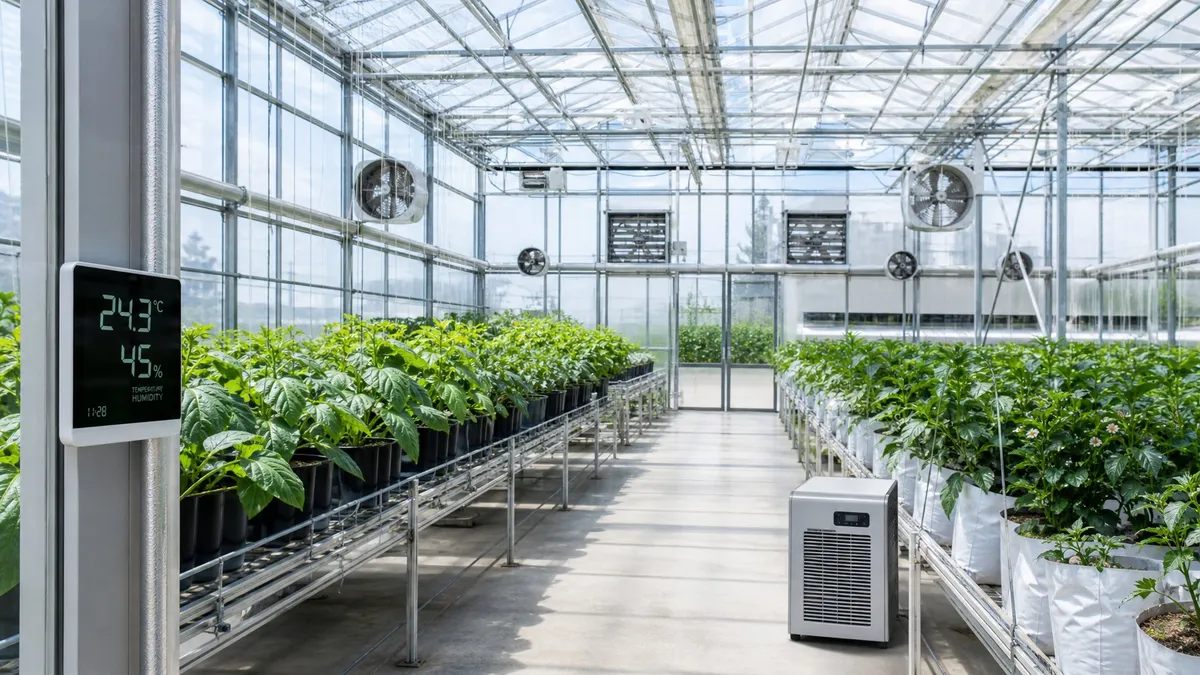
Mold in a greenhouse is just about the most annoying thing you’ll run into as a grower. It pops up on leaves, soil, benches—even your glazing panels—almost out of nowhere.
The same warmth and moisture that make your plants happy also give mold spores a perfect home. It’s an inevitable tradeoff, honestly.
Here’s the upside: you can prevent most greenhouse mold by managing moisture, improving airflow, and keeping your space clean. You don’t need to go nuclear with chemicals or sterilize the whole place.
Identifying Common Greenhouse Molds
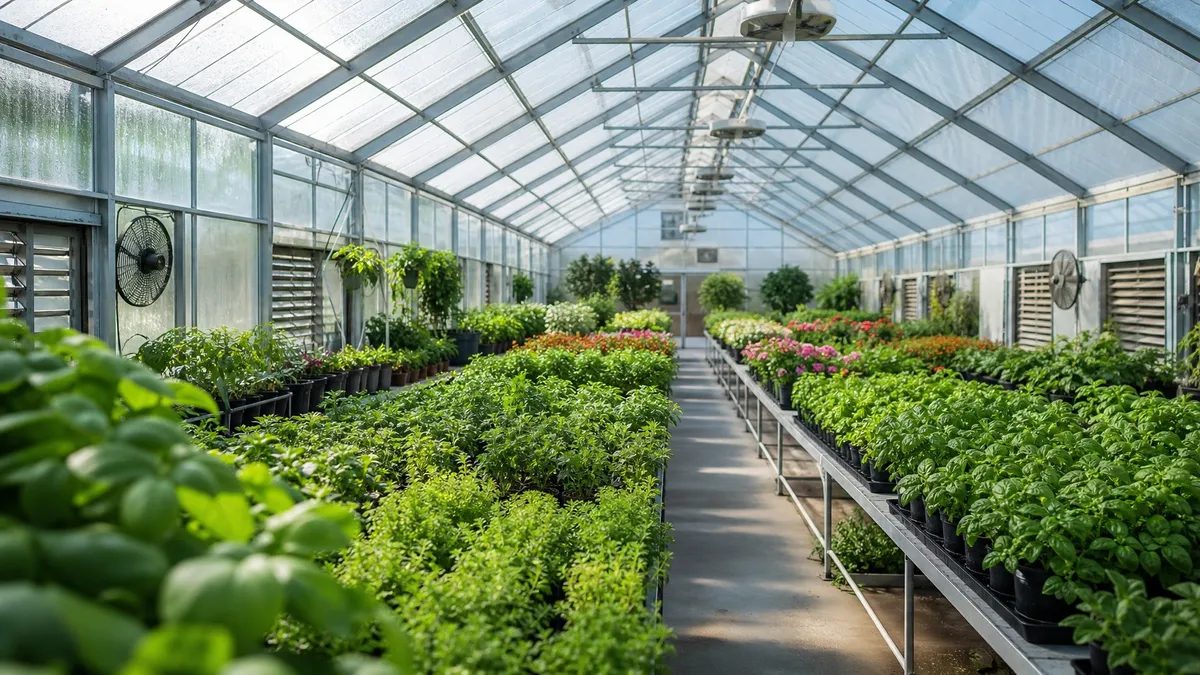
Before you can fight it, you need to know what you’re looking at.
Powdery Mildew: The White Dust
This looks like someone spilled flour on your leaves. It usually starts as small white spots and can quickly cover whole plants. Unlike most molds, it actually likes high humidity but dry leaf surfaces.
Botrytis (Grey Mold): The Fuzzy Killer
Botrytis is a "wound pathogen." It enters plants through broken stems or dying leaves. It looks like fuzzy grey or brown hair and can rot a tomato or a flower bud in days. It thrives in cool, damp, stagnant air.
Sooty Mold: The Sticky Mess
This isn't a direct plant disease; it's a byproduct of pests like aphids or whiteflies. They excrete "honeydew," and the mold grows on that sticky residue. If you have sooty mold, you actually have a pest problem.
Managing Humidity and Moisture Levels

Humidity is the single biggest factor in mold growth. If you keep your air "crisp," mold spores can't germinate.
Using Hygrometers to Monitor the Environment
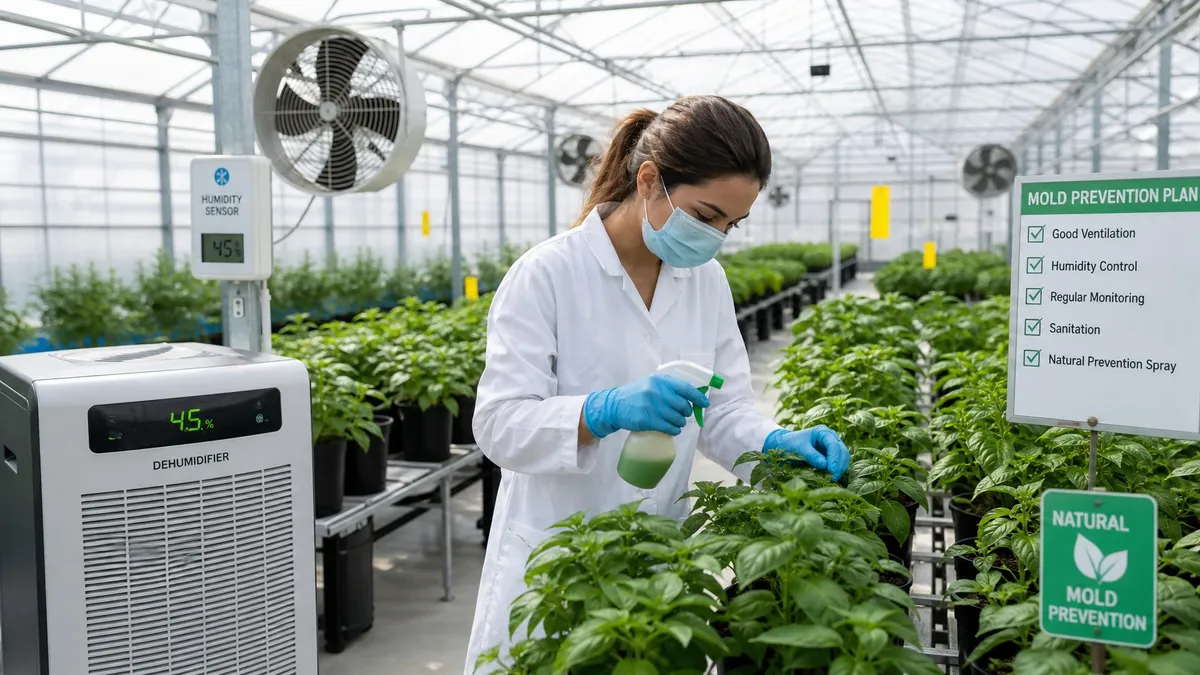
You can't manage what you don't measure. A simple $10–$25 digital hygrometer (as recommended by Sierra Greenhouse) is essential. Aim to keep your relative humidity (RH) between 60% and 80%. If it stays above 85% for more than a few hours, mold is coming.
Watering Techniques to Keep Leaves Dry
Wet leaves are an invitation for mold.
- Water in the morning: This allows any splashes to dry before the sun goes down.
- Use drip irrigation: This keeps water at the roots and off the foliage.
- Avoid overhead misting: Unless you have extreme airflow, misting is a major risk factor.
The Role of Dehumidifiers and Heaters
In the winter or on rainy days, greenhouse ventilation alone might not be enough.
- Heaters: Raising the temperature even by 5 degrees significantly lowers the relative humidity.
- Dehumidifiers: Essential for sealed or high-value crop greenhouses. They can pull gallons of water out of the air daily.
Optimizing Airflow and Ventilation
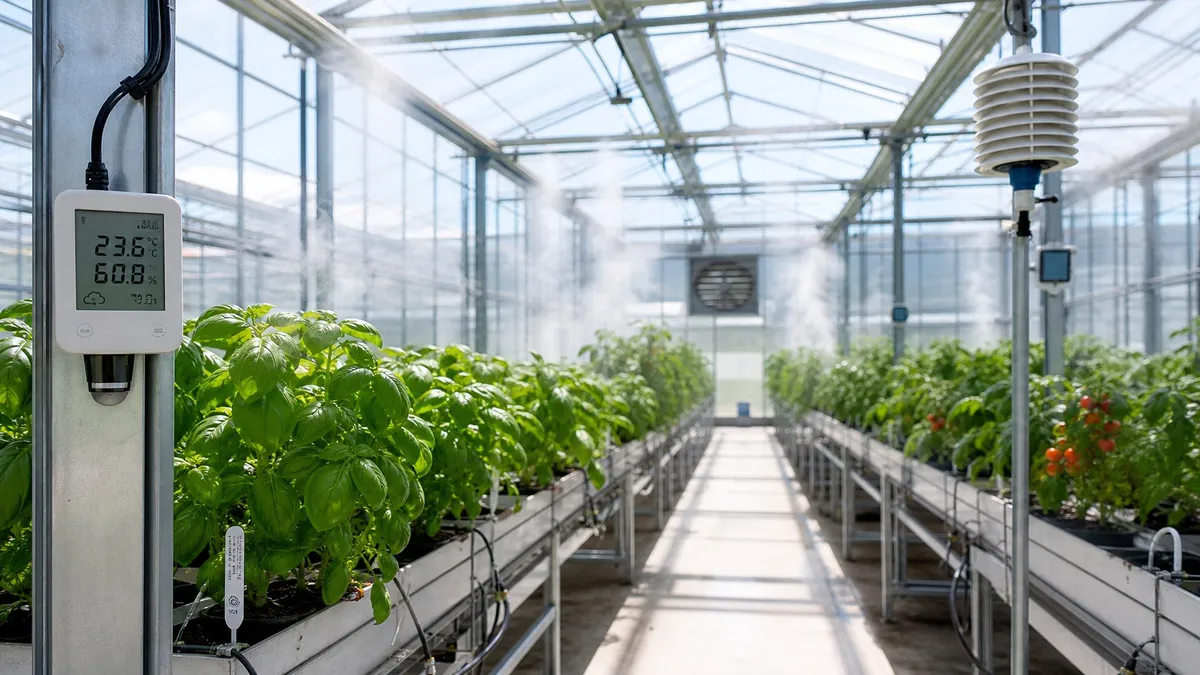
Moving air is mold's worst enemy. It prevents the "boundary layer" of stagnant moisture from forming around leaves.
Proper Fan Placement for Maximum Circulation
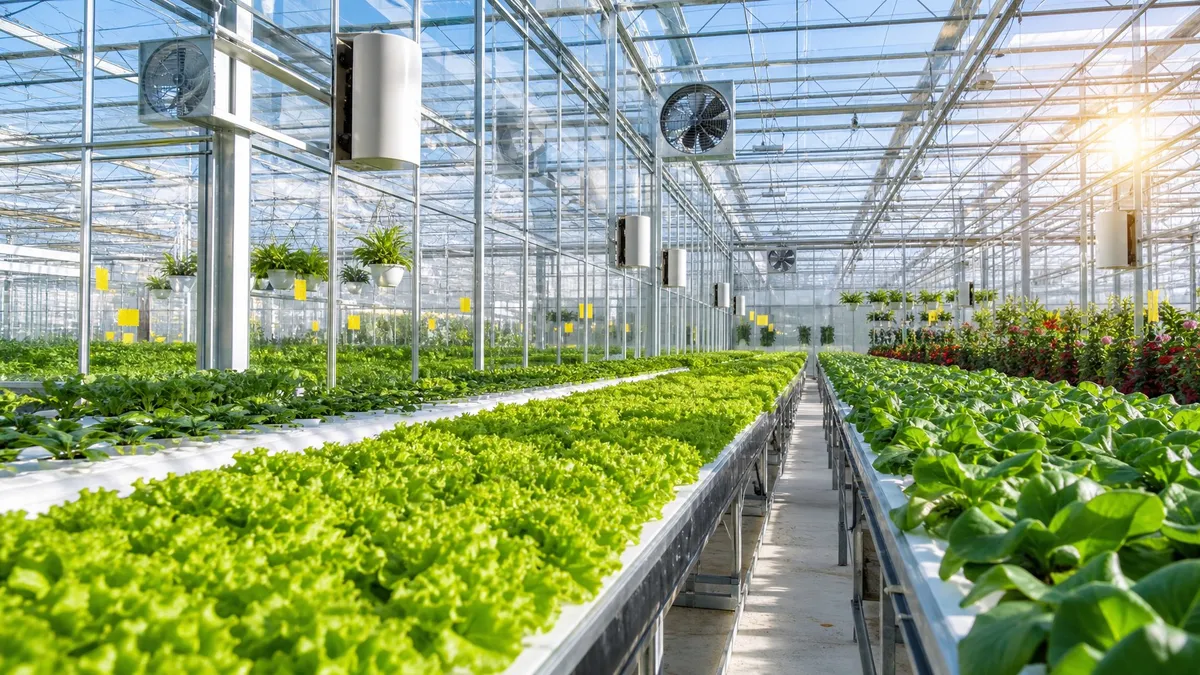
Don't just have one big fan. You want "Horizontal Air Flow" (HAF). Place small circulation fans at opposite corners of the greenhouse, pointing in a circular pattern. This creates a gentle, continuous "whirlpool" of air that reaches every corner.
When to Open Vents and Louvers
Open your greenhouse vents as soon as the sun hits the glass in the morning. This exhausts the humid air that built up overnight. Even on cool days, a "crack" in the vent can provide enough exchange to prevent condensation.
Spacing Plants for Better Air Movement
Crowded plants are mold traps. If leaves are touching, air can't move between them, and humidity spikes in that micro-climate. Follow the spacing guides for your specific crops—giving them an extra two inches of space can save you hours of mold treatment later.
Greenhouse Hygiene and Sanitation
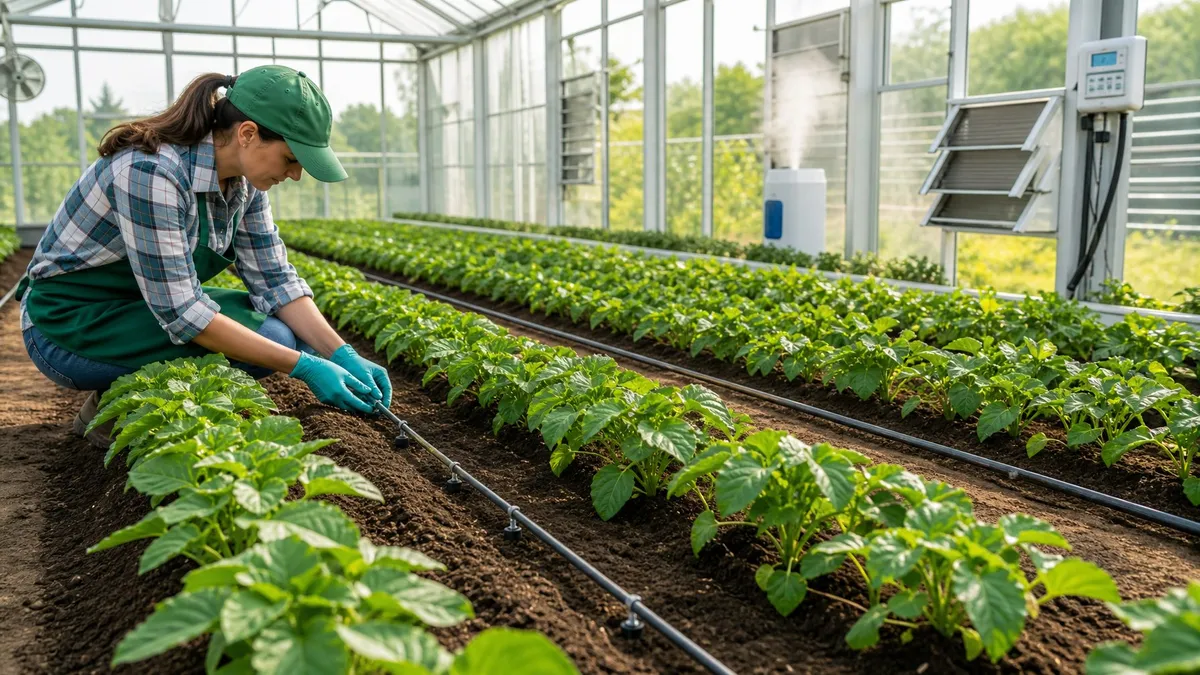
A dirty greenhouse is a reservoir for mold spores.
Cleaning Benches, Pots, and Tools
At the start of every season, wash your benches and floors with a 10% bleach solution or a specialized greenhouse disinfectant. Sanitize your pruning shears between plants to avoid spreading spores.
Removing Dead and Decaying Plant Matter
This is the "Botrytis rule." Never leave fallen leaves or "spent" plants on the greenhouse floor. They are the perfect breeding ground for grey mold. Carry a small bucket with you during every walk-through to collect debris.
Managing Soil and Substrate Health
Avoid over-fertilizing with nitrogen, which creates "lush, soft" growth that mold loves. Use high-quality, sterile potting mixes and ensure your containers have excellent drainage.
Natural and Organic Mold Treatments
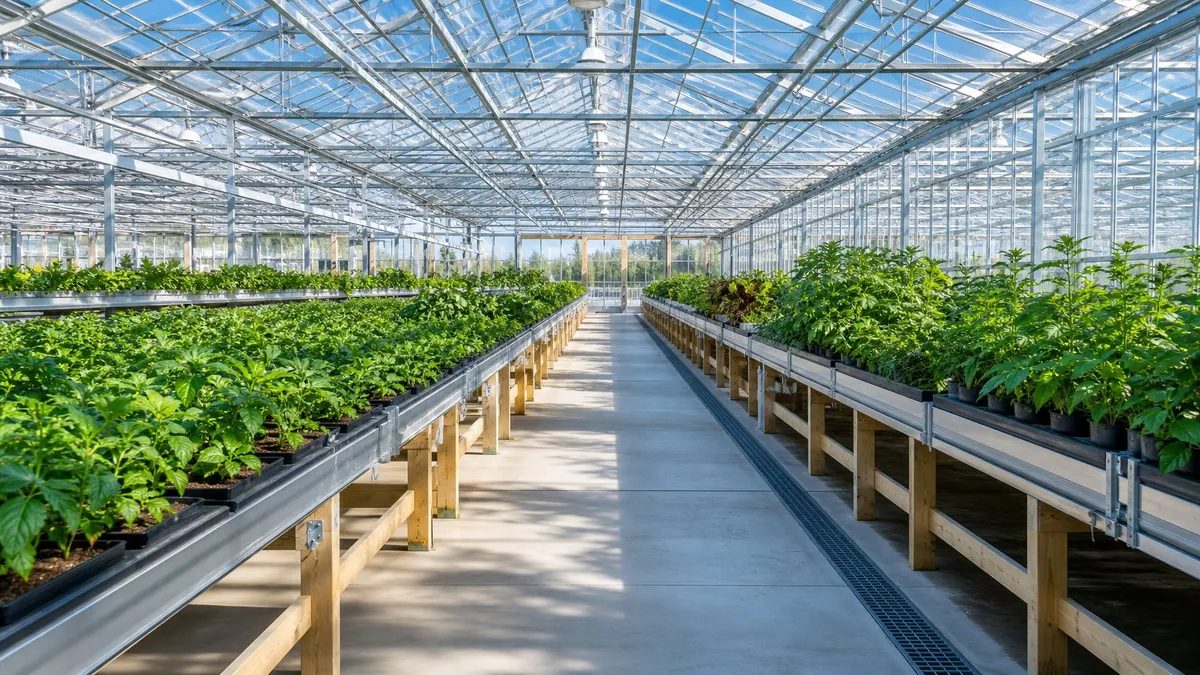
If mold does appear, you don't always need harsh chemicals.
Baking Soda and Potassium Bicarbonate Sprays
These shift the pH of the leaf surface, making it inhospitable for mold.
- Recipe: 1 tablespoon of baking soda + 1/2 teaspoon of liquid soap + 1 gallon of water.
- Spray early in the morning so it dries quickly.
The Power of Neem Oil and Sulfur
Neem oil is a great multi-purpose organic fungicide and insecticide. Sulfur burners or sprays are the gold standard for powdery mildew prevention in commercial greenhouses, but they must be used carefully to avoid leaf burn.
Using Beneficial Microorganisms (Biofungicides)
Products containing Bacillus subtilis are "good bacteria" that eat the "bad mold." They are safe, organic, and very effective when used as a preventative measure.
Design Choices for a Mold-Resistant Greenhouse
Selecting the Right Glazing Materials
Glass and polycarbonate panels have different condensation profiles. Anti-drip coatings on polycarbonate can prevent "rain" from falling off the ceiling onto your plants, which is a major mold trigger.
Automated Ventilation and Humidity Controls
Smart greenhouse systems can automatically open vents or turn on exhaust fans when humidity hits a certain threshold. This takes the guesswork out of management and protects your plants while you're away.
Floor and Drainage Layout Considerations
A gravel or concrete floor that drains well is much better than a dirt floor, which stays damp and releases moisture into the air all night. Ensure your greenhouse site is graded so water flows away from the structure.
Frequently Asked Questions
What is the ideal humidity level to prevent greenhouse mold?
Aim for 60% to 75% relative humidity. Above 80%, the risk of Botrytis and other molds increases dramatically. Below 50%, some plants may experience stress and slowed growth.
Can I use a regular household fan in my greenhouse?
Yes, for a small hobby greenhouse, a standard oscillating fan is better than nothing. However, "greenhouse-rated" fans are designed for high-humidity environments and will last much longer without rusting or shorting out.
Is white mold on greenhouse soil dangerous to plants?
Usually, no. White "fuzz" on the soil is often a harmless saprophytic fungus breaking down organic matter. However, it is a sign that your soil is too wet and your airflow is too low, which could lead to more dangerous molds later.
How do I stop condensation from dripping on my plants?
Improve your top-level ventilation to exhaust the warm, moist air before it hits the cool ceiling. You can also use "anti-condensate" sprays on your glazing or install a sloped ceiling that directs drips to the side walls.
Does cinnamon really kill greenhouse mold?
Cinnamon has mild antifungal properties and can be useful for "damping off" in seedlings. However, for a major mold outbreak on mature plants, it is not strong enough to be a reliable solution.