
Sierra Greenhouse Insights
12 Greenhouse Ideas to Improve Layout, Climate and Maintenance
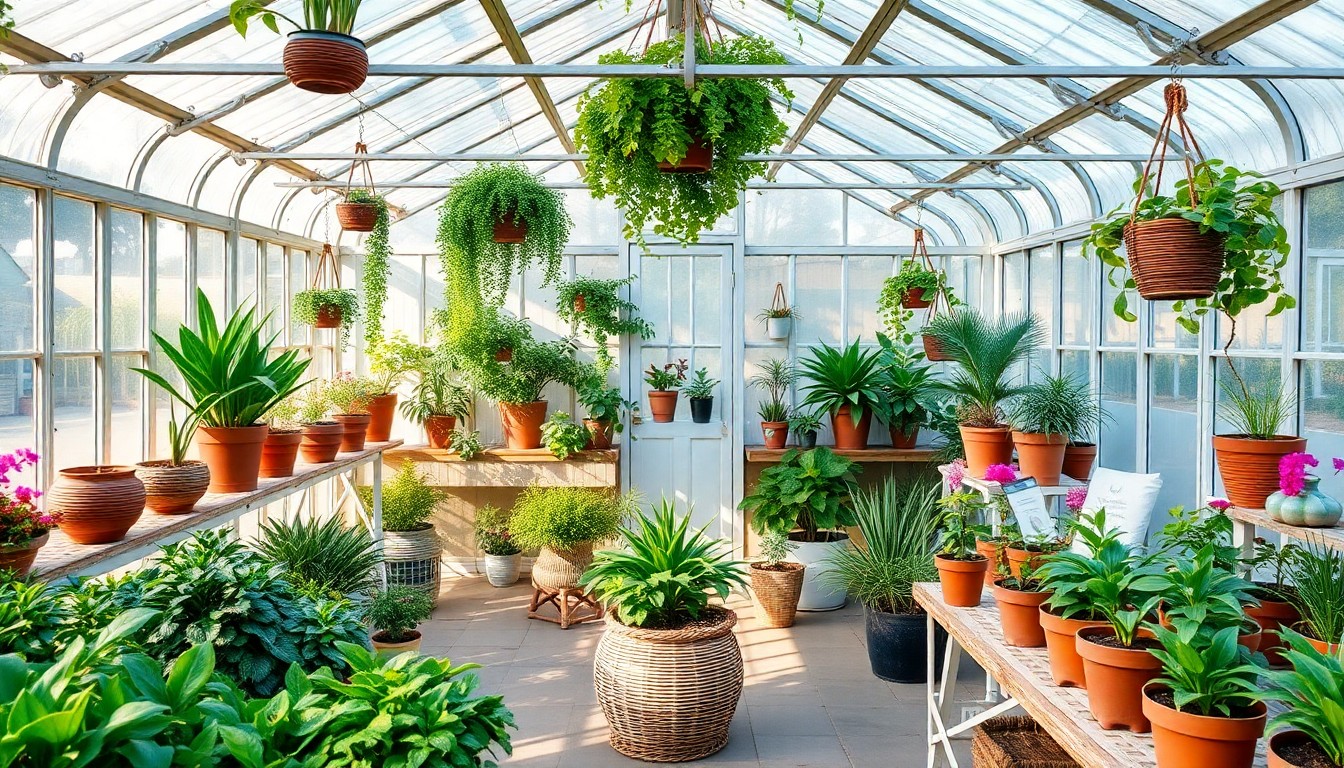
The most useful greenhouse idea solves a measured constraint: limited access, uneven temperature, poor drainage, insufficient propagation space, difficult maintenance, or a control that fails silently. No design automatically triples yield, cuts a fixed percentage of energy, or produces a guaranteed financial return.
Use these ideas as prompts. Check the exact structure, crop, site, local rules, manufacturer documentation, and installed cost before adopting one.
1. Draw the mature crop before the structure
Lay out mature plants, beds, containers, training systems, harvest access, storage, and climate equipment to scale. A crop-first drawing reveals whether the nominal floor area still works after aisles and service clearances are added.
2. Use benches that can change with the season
Modular benches can support propagation in spring, containers later, and an open cleaning period between crops. Confirm load, stability, corrosion resistance, drainage, and safe access before using wheeled or folding systems.
3. Reserve an accessible service zone
Keep controls, valves, filters, pumps, electrical disconnects, and replacement parts reachable without climbing over plants. Access that looks generous on an empty plan can disappear when a canopy fills the greenhouse.
4. Create a small monitored propagation area
Heating the root zone of a limited propagation area may be more controllable than warming every cubic foot for seedlings. Follow equipment instructions, measure media and air conditions separately, and check electrical capacity and wet-location safety.
5. Compare a lean-to with a freestanding plan
A lean-to may use a constrained site and nearby utilities, but the wall, orientation, drainage, snow shedding, flashing, and structural connection need careful review. Do not assume it will always cost or consume less energy.
6. Make shade adjustable
Retractable or removable shade can respond to season and crop rather than reducing light permanently. Select material from measured canopy light and crop requirements, and make sure deployment cannot obstruct vents or create unsafe wind loading.
7. Map temperature and humidity zones
Compare sensors at crop height near the center, perimeter, door, vent, heater, and dense canopy. The map can guide circulation, sealing, shade, and crop placement before more equipment is purchased.
8. Separate circulation from ventilation
Circulation fans mix greenhouse air; vents and exhaust systems exchange it with outdoor air. Plan both functions. For powered ventilation, compare rated fan performance at the expected resistance from shutters, screens, pads, and ducts.
9. Add water storage only after a water balance
For rainwater storage, use roof catchment, local rainfall, first-flush losses, crop demand, dry periods, overflow, water quality, freezing, code, and mosquito control. A tank size or break-even date from another site is not a design.
10. Design drainage into every growing zone
Show where irrigation, cleaning water, and condensation go. Keep water away from electrical equipment and structural bases, prevent standing water, and avoid discharging runoff onto neighboring property.
11. Use automation with local fallback
Automated vents, irrigation, alarms, and shade can improve repeatability, but each system needs a safe state for power, sensor, network, actuator, or pump failure. Test the full alarm path and keep manual operation available where appropriate.
12. Keep one area available for small trials
Before changing a full crop, test a new cultivar, spacing, irrigation setting, or control sequence on a defined area while keeping a comparable baseline. Record inputs, conditions, harvest, losses, and labor. Local trial data is more useful than a generic performance promise.
Compare ideas with the same checklist
For each proposed change, record:
- the problem it is intended to solve;
- the measurement that shows the problem exists;
- structural, electrical, water, fuel, and permit implications;
- current equipment and installation quotes;
- maintenance and replacement parts;
- failure modes and manual fallback;
- the crop-specific success measure; and
- when the result will be reviewed.
Use the greenhouse cost calculator to organize a scenario, then replace defaults with current local information. The start-here guide covers site and permit questions that should be resolved before product selection.
Official references
- USDA NRCS: Urban agriculture site and zoning considerations
- Penn State Extension: Selecting rated ventilation fans
- NIST: Measuring air temperature accurately
Choose the idea that addresses the clearest measured problem, test it at an appropriate scale, and keep the result in the greenhouse record.