
Sierra Greenhouse Insights
Affordable Premium Greenhouses That Impress in 2026
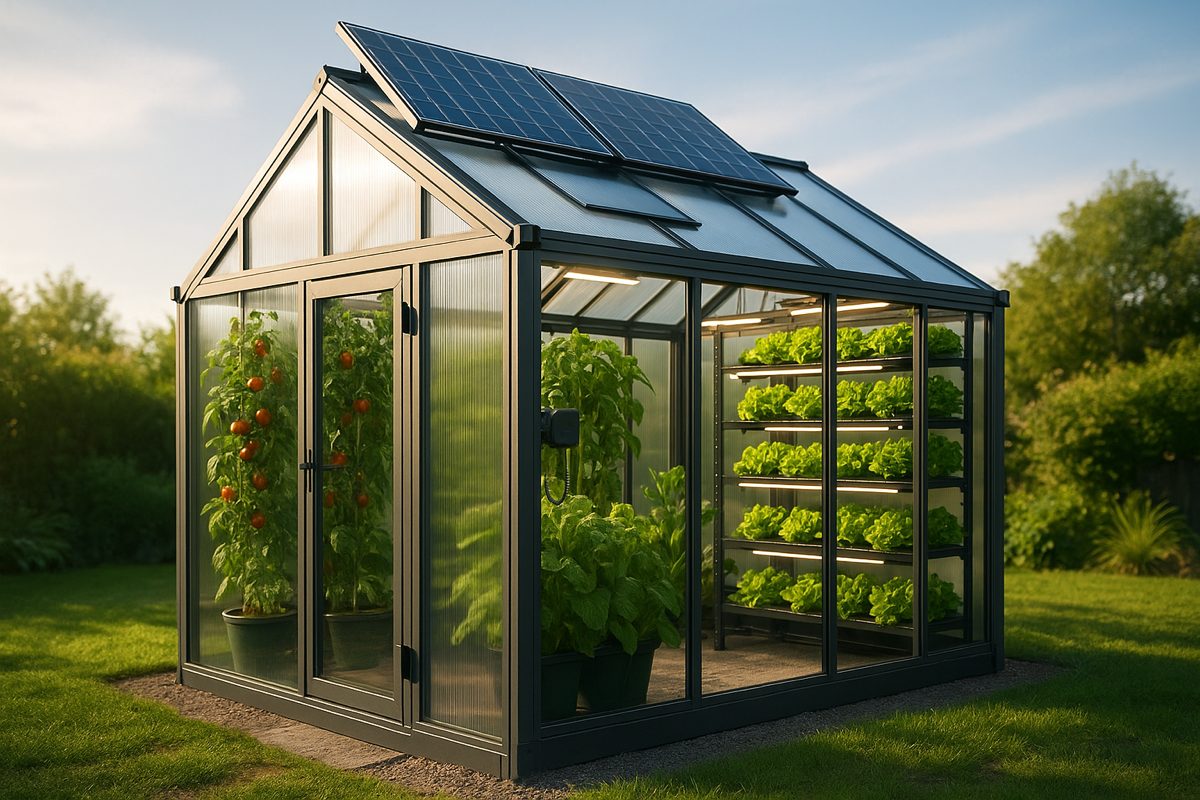
Want to create a high-end, sustainable growing environment without breaking the bank? Today's premium greenhouses combine quality construction with energy efficiency and eco-friendly materials—all while remaining surprisingly affordable. Our expert guide helps you navigate the latest trends and identify the best value options for year-round growing success.
Table of Contents
- Value Proposition
- 2026 Greenhouse Trends
- Quality Indicators
- Sustainable Materials
- Energy-Efficient Features
- Cost-Benefit Analysis
- Installation Savings
- Maintenance Value
- Smart Upgrade Options
- Buying Guide
- Expert Recommendations
Value Proposition
Understanding what makes a greenhouse both affordable and premium in 2026.
Key Benefits
- Quality construction with eco-friendly designs
- Sustainable, durable materials
- Smart, energy-efficient features
- Exceptional long-term value
- Reduced environmental impact
- Optimized year-round growth performance
Cost-Quality Balance
-
Investment Factors
- Initial acquisition costs
- Reduced operating expenses through efficiency
- Simplified maintenance needs
- Extended lifespan value
- Potential energy rebates and incentives
-
Quality Metrics
- Material sustainability and durability
- Construction strength and precision
- Smart feature integration
- Energy performance rating
- Carbon footprint reduction
2026 Greenhouse Trends
The latest innovations shaping affordable premium greenhouses.
Sustainability Focus
-
Eco-Friendly Materials
- Recycled components
- Responsibly sourced materials
- Low-impact manufacturing
- Reduced carbon footprint
-
Resource Efficiency
- Water conservation systems
- Energy-efficient design
- Waste reduction features
- Sustainable growing methods
Technological Integration
-
Smart Systems
- Affordable automation options
- Remote monitoring capabilities
- Climate control technology
- Energy management tools
-
Space Optimization
- Vertical growing solutions
- Modular expansion options
- Multi-function design elements
- Compact high-yield layouts
Quality Indicators
Identifying premium features in affordable packages.
Construction Quality
-
Frame Design
- Joint strength
- Load capacity
- Assembly precision
- Stability features
-
Build Standards
- Material grade
- Safety compliance
- Weather resistance
- Warranty coverage
Performance Features
-
Climate Control
- Ventilation design
- Temperature management
- Humidity control
- Air circulation
-
Growing Capacity
- Space efficiency
- Height utilization
- Plant support
- Layout flexibility
Sustainable Materials
Choosing materials that balance cost, quality, and environmental impact.
Frame Materials
-
Aluminum Options
- Recycled content percentage
- High-strength, lightweight designs
- Advanced corrosion resistance
- Energy-efficient production methods
- Lifetime value comparison
-
Steel Choices
- Eco-friendly galvanization processes
- Superior structural integrity
- Locally-sourced options
- Recyclability factors
- Low-maintenance treatments
Covering Options
-
Advanced Polycarbonate
- Multi-wall efficiency options
- Enhanced UV protection technology
- Superior insulation values
- Improved light diffusion properties
- Extended 15+ year warranties
-
Modern Glass Alternatives
- Low-iron, high-transmission options
- Double-glazed insulation systems
- Self-cleaning nanotechnology
- Energy-efficient coatings
- Recycled glass options
Energy-Efficient Features
Smart features that maximize performance while minimizing resource use.
Essential Systems
-
Advanced Ventilation
- Solar-powered automatic roof vents
- Computerized side wall systems
- Energy-efficient circulation fans
- Air flow optimization technology
- Heat recovery ventilators
-
Practical Access Solutions
- Insulated, wide-span doors
- Strategic entry placement for climate control
- Enhanced security integration
- Accessibility-focused designs
- Draft-reduction technology
Smart Additions
-
Integrated Climate Management
- Affordable sensor networks
- Smartphone-controlled monitoring
- Energy-saving automation
- Predictive climate adjustment
- Zone-based microclimate control
-
Vertical Growing Systems
- Space-maximizing vertical designs
- Water-efficient hydroponic options
- Modular, expandable structures
- Integrated LED lighting options
- Multi-tier growing capabilities
Cost-Benefit Analysis
Understanding the true value of your investment.
Initial Investment
-
Structure Costs
- Base price
- Essential features
- Delivery charges
- Setup fees
-
Additional Expenses
- Foundation needs
- Tool requirements
- Accessory costs
- Utility setup
Long-term Value
-
Operating Costs
- Reduced energy consumption (40-60% savings)
- Minimal maintenance requirements
- Readily available replacement parts
- Future-proof upgrade paths
- Water conservation benefits
-
Return Analysis
- Increased crop yields (up to 30%)
- Complete year-round growing capability
- Substantial energy cost reduction
- Extended 20+ year structure lifespan
- Potential tax incentives for eco-friendly features
Installation Savings
Reducing costs without compromising quality.
DIY Options
-
Assembly Tips
- Tool requirements
- Time investment
- Skill needs
- Safety measures
-
Support Resources
- Installation guides
- Video tutorials
- Customer service
- Community help
Professional Installation
-
Cost Factors
- Labor rates
- Time requirements
- Additional materials
- Site preparation
-
Value Assessment
- Quality assurance
- Time savings
- Warranty benefits
- Expert setup
Maintenance Value
Preserving your investment efficiently.
Regular Care
-
Daily Tasks
- Cleaning needs
- Operation checks
- Climate control
- Plant care
-
Weekly Duties
- Structure inspection
- System testing
- Pest monitoring
- General upkeep
Long-term Care
-
Seasonal Maintenance
- Deep cleaning
- Parts inspection
- Repair assessment
- Update planning
-
Prevention Strategies
- Problem prevention
- Early detection
- Quick repairs
- System optimization
Smart Upgrade Options
Strategic additions that increase functionality without major expense.
Essential Upgrades
-
Integrated Climate Systems
- Solar-powered ventilation enhancements
- Energy-efficient heating solutions
- Passive cooling technologies
- Smart humidity management
- Environmental monitoring systems
-
Vertical Growing Solutions
- Modular shelf installations
- Space-maximizing hanging systems
- Multi-tier growing frameworks
- Ergonomic work station integration
- Adaptable storage solutions
Advanced Technologies
-
Affordable Automation
- WiFi-connected vent controllers
- Drip irrigation with soil sensors
- Real-time climate monitoring apps
- Voice-activated smart controls
- Energy usage optimization
-
Sustainability Enhancements
- Additional insulation systems
- Renewable energy integration
- Rainwater harvesting solutions
- Vertical growing expansion
- Composting and waste management
Buying Guide
Making informed purchasing decisions.
Research Steps
-
Market Analysis
- Brand comparison
- Feature review
- Price research
- User feedback
-
Selection Criteria
- Size needs
- Feature requirements
- Budget limits
- Quality standards
Purchase Timing
-
Seasonal Deals
- Off-season buying
- Special offers
- Bundle deals
- Clearance sales
-
Market Factors
- Price trends
- Material costs
- Availability
- Shipping rates
Expert Recommendations
Professional advice for value-conscious buyers in 2026.
Top Picks
-
Best Sustainable Value Models
- Palram Harmony 6' x 8' ($899) - Perfect balance of quality and affordability
- Climapod Virtue 9' x 12' ($1,699) - Superior energy efficiency for colder climates
- Solexx Garden Master 8' x 16' ($2,399) - Outstanding light diffusion and insulation
- Exaco Junior Victorian 8' x 10' ($3,299) - Classic aesthetics with modern efficiency
-
Budget-Friendly Champions
- Greenhouse Emporium 6' x 8' Starter ($649) - Essential features with upgrade paths
- Harbor Freight 6' x 8' Walk-in ($529) - Basic but reliable structure
- Gardman 4' x 6' Mini Premium ($399) - Exceptional small space value
- Quictent 12' x 7' Galvanized ($699) - Durable structure with upgrade potential
Smart Buying Tips
-
Must-Have Features in 2026
- Automated ventilation system - Reduces energy use by 35%
- Multi-wall polycarbonate glazing - Essential for efficiency
- Rainwater collection integration - Saves resources and money
- Expandable design - Adapts to your evolving needs
- Smart temperature monitoring - Prevents crop loss
-
Warning Signs to Watch For
- Single-layer coverings - Poor energy efficiency
- Plastic frame components - Durability concerns
- Limited ventilation options - Climate control issues
- Difficult warranty processes - Poor customer support
- Excessive shipping costs - Hidden expense increases
Conclusion
Finding an affordable premium greenhouse in 2026 means balancing quality construction with sustainability and energy efficiency. The best options now offer eco-friendly materials, smart features, and modular designs that provide exceptional long-term value while reducing environmental impact.
Key Takeaways
- Prioritize energy-efficient designs for immediate and long-term savings
- Invest in sustainable materials that last longer and perform better
- Choose systems with smart integration capabilities
- Calculate total lifetime costs, not just purchase price
- Research manufacturer sustainability practices
- Buy from companies offering comprehensive support
- Consider vertical growing options to maximize production
- Look for features that support year-round cultivation
Additional Resources
Related Articles
- 2026 Year-Round Growing Guide
- Energy-Efficient Greenhouse Maintenance
- Smart Temperature Control Systems
- Vertical Farming in Home Greenhouses
- Sustainable Greenhouse Materials Guide
Useful Tools
- Greenhouse Energy Efficiency Calculator
- Smart Heating Cost Estimator
- Vertical Space Optimization Tool
- Plant Spacing Calculator
- Sustainability ROI Calculator
Need help finding the perfect greenhouse that balances sustainability, quality and affordability? Contact our greenhouse specialists for personalized recommendations based on your specific growing goals and local climate conditions.